Workshops and Teaching Concept

Geometry that people actually understand and want to use.

We design and run interactive geometry workshops and courses that make abstract ideas tangible. A clear progression from hands-on exploration to precise concepts helps participants build real intuition and transferable problem-solving skills.

Hands-on exploration
From intuition to abstraction
Art · Design · Architecture · Natural Sciences

Introduction

Our geometry school is dedicated to making geometric thinking tangible, intuitive, and engaging. Through hands-on exploration and a gentle progression towards abstraction, we invite participants to experience geometry not merely as a mathematical discipline, but as a universal language that connects art, design, architecture, and the natural sciences.

Programs

We design and conduct interactive workshops, short courses, and extended courses. Our activities combine practical application and theoretical insight.

  • Designed for a wide range of audiences: students, educators, artists, designers, professionals
  • Adaptable to different age groups and levels of prior knowledge
  • Modular structure: duration, depth, and focus can be customized

What we aim to convey

  • confidence in visual and geometric reasoning,
  • an appreciation of geometry as a creative and rigorous discipline,
  • transferable problem-solving skills.

Participants leave with both concrete knowledge and a renewed curiosity for mathematics.

Teaching Philosophy

We emphasize foundational understanding and geometric reasoning, rather than focusing on rote techniques.

Our teaching philosophy is based on four core principles:

  • Understanding through construction: Participants actively construct geometric objects, physically or digitally, before formal definitions are introduced.
  • From intuition to abstraction: We guide learners from illustrative examples towards precise mathematical concepts, fostering a deep and intuitive grasp of geometric ideas.
  • From foundations to advanced concepts: We emphasize a clear understanding of fundamental concepts. This solid foundation enables participants to engage meaningfully with more advanced ideas and applications.
  • Dialogue and exploration: Workshops and courses are structured as guided explorations, encouraging questions, discussion, and independent thinking.

Workshops

Each workshop is modular and can be customized in duration, depth, and focus to meet the needs of a specific group or institution.

Fractal image for Fractals and Recursion
Workshop

Fractals and Recursion

Fractals are shapes built from simple rules that create complexity: coastlines, ferns, snowflakes, and more. In this workshop, we learn how fractals emerge from recursion and self-similarity and create our own interactive visualizations.

Image for Projective Geometry and Perspective
Workshop

Computer Graphics: Projective Geometry and Perspective

This workshop explores the fundamentals of computer graphics through the unifying lens of projective geometry, the mathematics of perspective. We examine how perspective transformations model cameras in the rendering pipeline and how the illusion of 3-dimensionality in images is created.

Image for Curvature: From Smooth to Discrete
Workshop

Curvature: From Smooth to Discrete

This workshop explores the geometric concept of curvature for smooth and discrete curves and surfaces. We start from intuitive examples leading to discrete notions of curvature relevant in computer graphics and architectural design.

Image for The Geometry of Complex Numbers
Workshop

The Geometry of Complex Numbers

This workshop explores the geometry of the complex numbers, guided by a visual approach. We learn how complex numbers can be seen as points in a plane and how algebraic operations correspond to geometric transformations.

Custom Workshops

We also design custom workshops tailored to specific topics, audiences, or interdisciplinary contexts in collaboration with our clients. Here is a selection of workshops we aim to offer in the future:

Foundations and patterns

  • Geometric Transformations, Symmetry, and Tilings
  • Geometry in Nature
  • Circle and Sphere Geometries
  • Interpolation and Subdivisions
  • Pattern Languages and Architecture

Computation and applications

  • Probability Theory as the Logic of Uncertainty
  • The Mathematics of Colors
  • The Mathematics of Music
  • Simulation of Dynamical Systems
  • Introduction to Functional Programming
  • The Mathematics of Rendering Methods
  • Geometric Algebra and Kinematics
  • Computer Algebra and Theorem Proving

Our Team

Our core team consists of three mathematicians with backgrounds in geometry, differential geometry, computer graphics, and mathematical visualization. What unites us is a strong commitment to clarity, precision, and curiosity-driven learning, as well as the belief that deep mathematical ideas can be communicated in an intuitive way, yet without oversimplification.

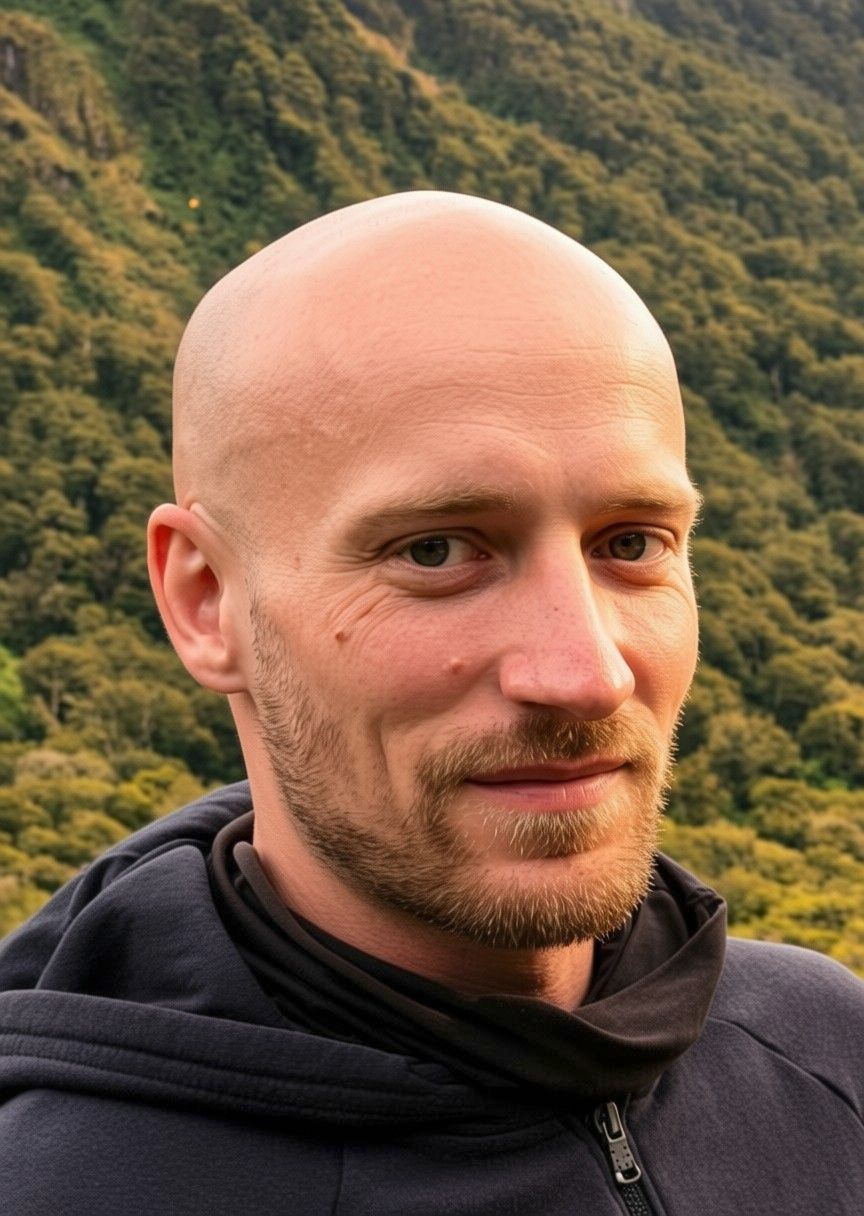
Portrait of Dr. Jan Techter
Dr. Jan Techter Discrete Differential Geometry

PhD in Mathematics with extensive teaching experience focusing on geometry and visualization. Researcher in discrete differential geometry.

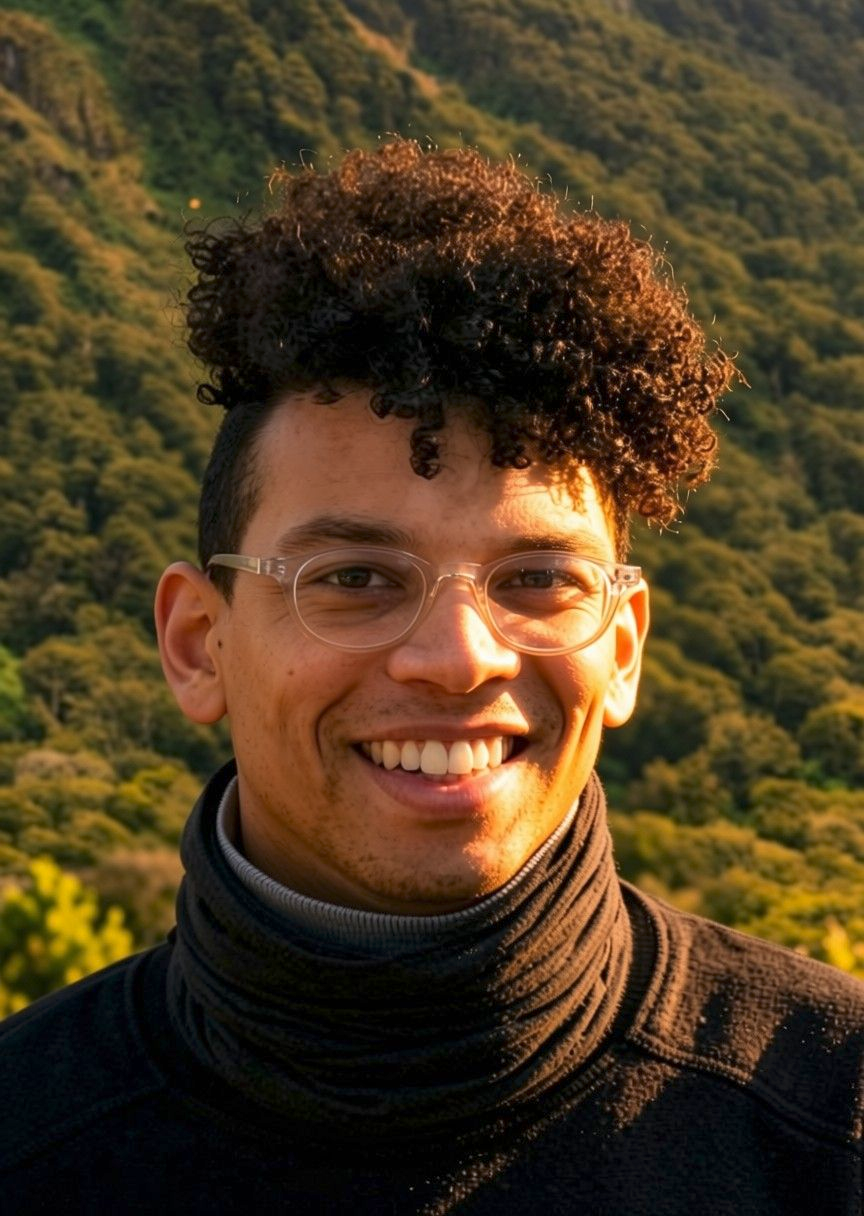
Portrait of Théo Tyburn
Théo Tyburn Interactive Visualizations

Mathematician with a strong background in geometry. Experienced in designing interactive mathematical software and visualizations.

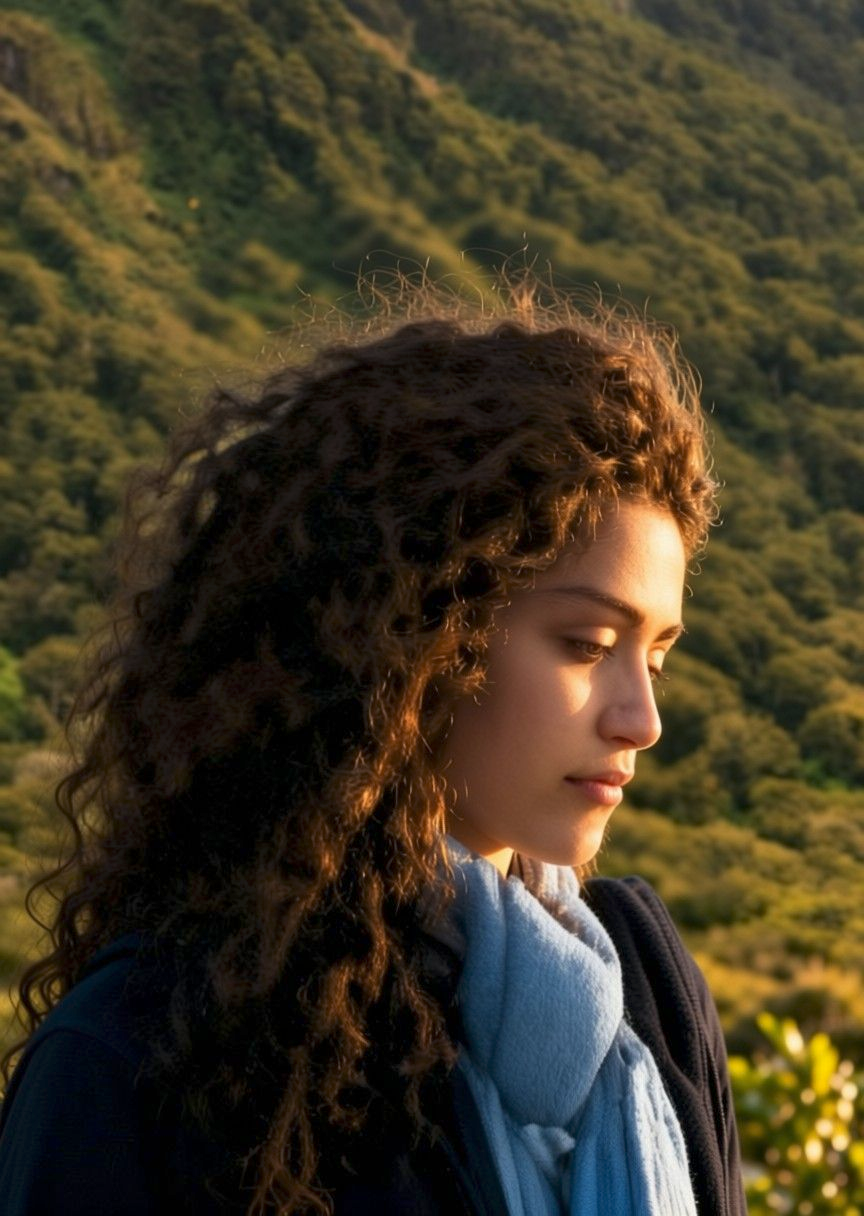
Portrait of Sara Samy
Sara Samy Geometry & Aesthetics

Mathematician specializing in geometry with a strong background in visual arts. Experienced in teaching advanced mathematics through artistic approaches.

Let’s design the right workshop for your audience.

Send us a short email with your context (audience, level, duration, goals). We’ll respond with a concrete proposal: content outline, format, and what participants will take away.

  • Schools and universities
  • Design and architecture studios
  • Companies and professional training
  • Public outreach events

Email us

We intentionally use email only (no contact form) to keep data processing minimal.

info@geometry-school.com